- One Stop for all Business Utilities
- (0800) 999-1160
- quotes@betaenergydirect.com

Best Card Machines for Retail Shops UK 2026

Business Energy Bills Up 25% Since February: Full Timeline
October 1, 2026
Shift4 One Review 2026: Is It Best for High-Volume UK Shops?
October 11, 2026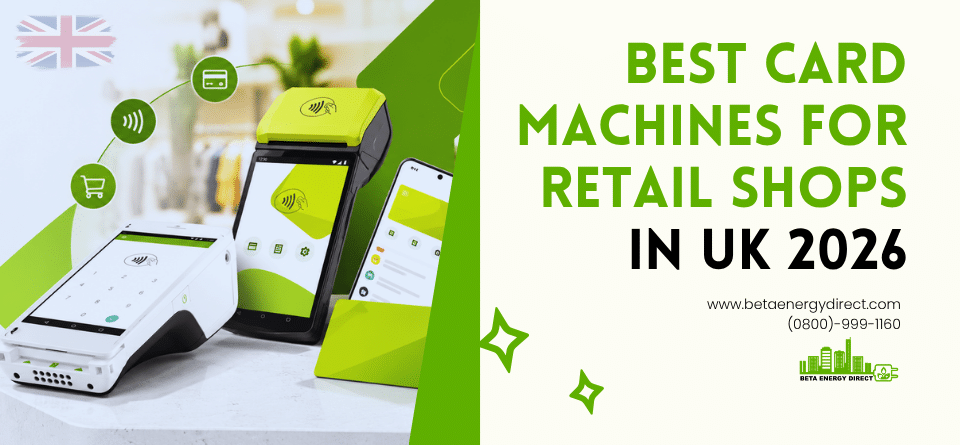
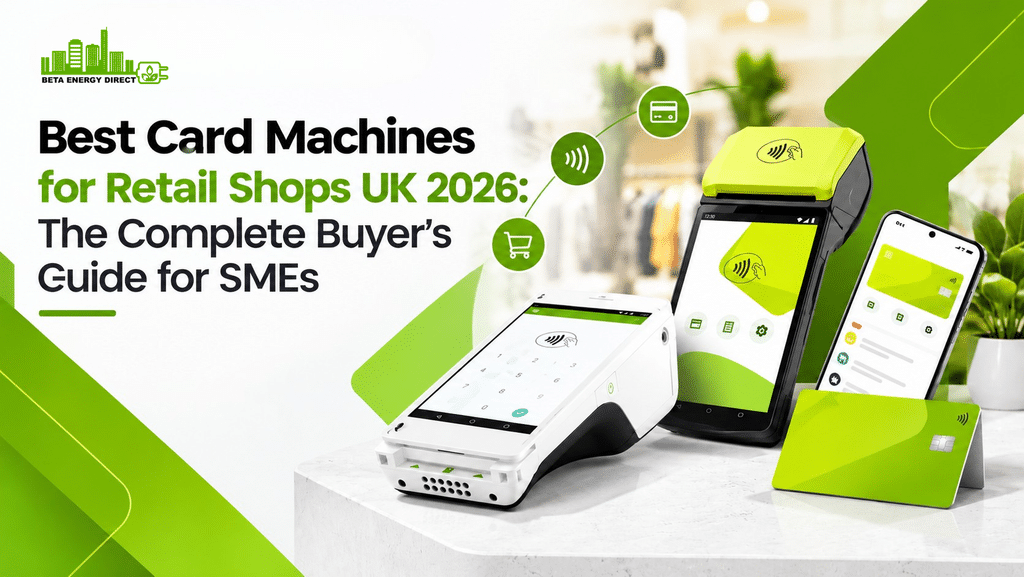
Best Card Machines for Retail Shops UK 2026: The Complete Buyer’s Guide for SMEs
Every retailer knows the moment. A customer picks up a £14 item, reaches for their phone instead of their wallet, and your card machine decides whether you make the sale. UK shoppers now expect to tap and go, and a slow, unreliable or expensive terminal costs you money every single day.
Choosing the best card machine for a retail shop looks simple until you read the price lists. One provider charges 1.75% with no monthly fee. Another charges £25 a month on an 18-month contract. A third quotes rates “from 0.3%” and adds extras later. This guide cuts through that noise. You’ll see what each type of machine does, what the leading providers charge in 2026, and how to pick a terminal that fits your turnover.
Quick Answer: Which Card Machine Suits Your Shop?
If you want the short version, start here:
- Taking under £3,000 a month: Choose a pay-as-you-go reader such as Square, SumUp or Zettle. You pay no monthly fee and keep your costs predictable.
- Taking £3,000 to £10,000 a month: Compare a countertop or smart terminal with a blended rate. Zeller, Dojo and Tyl by NatWest all deserve a look.
- Taking over £10,000 a month: Ask for a quote on a negotiated, interchange-plus rate. Your volume gives you real bargaining power.
- Running several tills or a large stock range: Look at a card machine bundled with an EPOS system for UK retailers.
What a Card Machine Does for a UK Retail Shop
A card machine, also called a card terminal or PDQ machine, reads chip-and-PIN, contactless and mobile wallet payments, then sends the transaction to your merchant acquirer for authorisation. The money lands in your business bank account, usually the next working day.
For a retail shop, the right terminal does more than take payments. It prints or emails receipts, speeds up queues, supports Apple Pay and Google Pay, and gives you sales reports you can actually use. The wrong one locks you into a contract, charges you for features you never touch, and drops its connection during your busiest Saturday.
If you want the full picture of what’s available, our overview of business card machines for UK businesses explains each product category in plain English.
Types of Card Machines for Retail Shops
Before you compare brands, decide which format suits your shop floor.
Portable Card Readers
These small devices pair with your phone or tablet by Bluetooth. They cost very little upfront, and many providers charge nothing monthly. They suit market stalls, pop-up shops, boutiques with low footfall and anyone who sells at events. The trade-off is that you rely on your phone’s battery and signal, and a busy till can feel cramped.
Countertop Terminals
A countertop terminal plugs into your router or connects by Wi-Fi, and it sits on your counter like a traditional PDQ machine. It handles heavy daily use, prints receipts and stays online with a stable broadband line. If you run a convenience store, off-licence or clothing shop with steady trade, you’ll probably want this format.
Portable 4G and Wi-Fi Terminals
A portable card machine with its own SIM card and Wi-Fi gives you the freedom to take payment anywhere in the shop. Staff can cash out a customer in the fitting room, at the stockroom door or on the pavement outside. A 4G card machine also keeps working if your broadband drops, which makes it a smart backup for any retailer.
Smart Terminals with a Built-In Till
Android-based terminals such as the PAX A920 Pro run apps for stock control, loyalty schemes and online orders. They sit between a basic card machine and a full EPOS setup, and they suit shops that want more than payments but don’t need three tills.
EPOS-Integrated Card Machines
Larger retailers link card payments directly to their tills, barcode scanners and stock systems. Every sale updates your inventory automatically, and your accountant gets clean reports. You pay more upfront, but you save hours of admin each week.
Best Card Machines for Retail Shops in the UK (2026)
We compared the main providers on hardware cost, transaction fees, contract length and suitability for shops. Prices change often, so treat the figures below as a guide and check each provider’s page before you commit.
| Provider | Hardware (approx.) | In-person fee | Monthly fee | Contract |
|---|---|---|---|---|
| Square Reader / Terminal | £19 / £149 + VAT | 1.75% | £0 | None |
| SumUp Solo Lite / Solo | £30 / £79 | 1.69% (0.99% on a plan) | £0 (£19 for plan) | None |
| Zettle Reader 2 | £29 | 1.75% | £0 | None |
| Zeller Terminal | £99–£149 + VAT | 1.3% domestic Visa/Mastercard | £0 | None |
| Dojo Go | Rented | From 1.2% | £20–£25 | 12 months |
| Tyl by NatWest | £19.99 + VAT per month | 1.39% + 5p | Included | 12 months |
| Worldpay DX8000 | £15 per month | Custom | Included | 18 months |
Square: Best for Shops That Want a Free Till System
Square sells a £19 reader and a £149 all-in-one terminal. Square charges a flat 1.75% for UK in-person payments with no monthly fee and no lock-in. The free retail point-of-sale software handles stock, discounts and staff logins, which makes Square popular with small independent shops. Its flat rate is simple, but it stops being the cheapest option as your turnover grows. businessexpert
SumUp: Best for Low-Volume and Seasonal Retailers
SumUp built its reputation on cheap hardware and simple pricing. The SumUp Solo Lite costs around £30, charges no monthly fees and takes 1.69% per transaction. If your sales climb past roughly £3,000 a month, the Payments Plus subscription at £19 a month drops the rate to 0.99%. Do that sum before you subscribe, because the saving only pays off at higher volumes. uksmallbusinessuksmallbusiness
Zettle by PayPal: Best for Shops That Sell Online Too
Zettle charges 1.75% and works well if you already take PayPal payments or run a small online shop alongside your physical store. Its reader is cheap, connects to your phone and syncs sales across channels. businessexpert
Zeller: Best for Straightforward Pay-As-You-Go Pricing
Zeller sells two standalone terminals with no rental agreement. The Terminal 1x costs £99 + VAT and the Terminal 2 costs £149 + VAT, with domestic Visa and Mastercard payments at 1.3%. American Express and international cards cost more at 1.99%. For a mid-sized shop that wants a proper terminal without a contract, Zeller makes a strong case. uksmallbusiness
Dojo: Best for Higher-Volume Retailers
Dojo suits shops that process more than £10,000 a month. Its Dojo Go terminal comes on rental with fees from 1.2%, a monthly charge of £20 to £25 and a 12-month minimum term. Dojo’s blended rate beats flat-rate providers once your turnover grows, though you commit to a contract, so read the terms first. businessexpert
Tyl by NatWest, Worldpay and Takepayments: Best for Traditional Rental Terminals
The established names offer countertop and portable terminals on monthly rental. Tyl by NatWest charges £19.99 + VAT monthly with 1.39% + 5p for UK and EU cards on a 12-month term. The Worldpay DX8000 costs £15 monthly on an 18-month contract with custom pricing. These deals can work well for busy shops, but contracts, PCI charges and authorisation fees add up, so always ask for the full cost in writing. wisewise
Card Machine Fees: What UK Shops Really Pay
Fees confuse more shop owners than any other part of card processing. Break them down and they make more sense.
Transaction Fees
Every card payment carries a percentage cost, and some providers add a fixed pence amount on top. Most small businesses pay between 1.4% and 2.5% of card turnover, depending on their card mix and volume. Premium, business and international cards usually cost more than standard UK debit cards. expertsure
Monthly Rental, PCI and Authorisation Fees
Rental-based providers charge a monthly fee for the terminal. Many also add around £5 per month for PCI compliance and an authorisation fee on each transaction. Those small extras can add £100 or more to your yearly bill, so ask about every one. paymentsworld
Blended Rates vs Interchange-Plus Pricing
A blended rate bundles every cost into a single percentage. It keeps things simple, but you pay the same whether a customer uses a cheap debit card or an expensive premium one.
Interchange-plus pricing separates the card network’s interchange fee from the provider’s margin. UK rules cap consumer interchange at 0.2% for debit and 0.3% for credit cards on domestic payments, which is why interchange-plus often works out cheaper for shops with higher turnover. The Payment Systems Regulator has examined the card-acquiring market and highlighted that smaller businesses often pay more than they need to, so it pays to ask for a clear breakdown.
A Worked Example
Say your shop takes £10,000 a month on cards.
- At 1.75%, you pay £175 a month, or £2,100 a year.
- At 1.69%, you pay £169 a month, or £2,028 a year.
- At 1.2%, you pay £120 a month, or £1,440 a year.
The gap between the highest and lowest rate comes to £660 a year. Add a £25 monthly rental on the cheaper deal and you still save more than £300. Run this calculation with your own figures before you sign anything.
Pay-As-You-Go or Monthly Rental?
Pay-as-you-go suits you when your sales are small, seasonal or unpredictable. You buy the hardware once, pay a percentage per sale and walk away whenever you like.
Rental suits you when your turnover is steady and high. You trade a monthly fee and a contract for lower per-transaction rates. Before you choose rental, check three things: the contract length, the cancellation fee and what happens to your machine if your business moves or closes.
Plenty of UK retailers now ask for a no monthly fee card machine or a zero-rental terminal. Beta Energy Direct’s own customer reviews mention these deals regularly, and you can explore the options on our card terminals page.
How to Choose the Right Card Machine for Your Retail Shop
Work through these questions in order.
1. How Much Do You Take on Cards Each Month?
Your monthly card turnover decides which pricing model wins. Low turnover favours pay-as-you-go. High turnover favours negotiated rates.
2. Does Your Shop Have Reliable Internet?
A countertop terminal needs a stable connection. If your broadband struggles, pick a model with a 4G SIM or upgrade your line. Our business broadband and phone line service can help if your connection lets you down.
3. Do You Need Stock Control and Reporting?
If you sell hundreds of product lines, a card machine alone won’t cut it. Look at an integrated till so every sale updates your stock.
4. How Fast Do You Need Your Money?
Most providers pay out the next working day. Some, such as myPOS, offer instant settlement for a fee or on specific plans. Faster cash flow matters if you pay suppliers weekly.
5. Can You Walk Away if It Doesn’t Work?
Always check the minimum term and exit costs. A cheap rate means nothing if you’re stuck for 18 months with a machine that doesn’t suit your shop.
6. What Support Does the Provider Offer?
When your terminal fails at 4pm on a Saturday, you need a real person on the phone. Check support hours and whether the provider sends a replacement machine quickly.
7. Does the Terminal Accept Every Payment Type?
Make sure your machine takes contactless cards, Apple Pay, Google Pay and, if your customers use it, American Express. Missing a payment type costs you sales.
Features Every Retail Card Machine Should Have
Whatever brand you choose, insist on these basics:
- Contactless, chip-and-PIN and mobile wallet support
- Fast, reliable connectivity (Wi-Fi, Ethernet or 4G)
- Receipt options (printed, emailed or both)
- Clear daily and monthly sales reports
- Next-day settlement into your business account
- Easy refunds that staff can process without a manager
- A battery that lasts a full trading day, if you pick a portable model
Security, Compliance and the Rules You Must Follow
Every terminal sold in the UK must meet PCI DSS, the global standard for protecting card data. The PCI Security Standards Council publishes the rules, and your provider will usually guide you through an annual self-assessment. Skip it and you may face a non-compliance fee.
UK law also bans surcharging on consumer debit and credit card payments, so you can’t add a card fee at the till. If you want to understand how payment providers operate in the UK, the Financial Conduct Authority regulates payment firms, and UK Finance publishes industry data on how customers pay.
Finally, hardware is subject to VAT. If your business is VAT-registered, you can reclaim it, and GOV.UK’s VAT guidance for businesses explains how.
Common Mistakes Retailers Make When Buying a Card Machine
Retailers waste money in the same few ways, so watch for these:
- Choosing on headline rate alone. A low percentage means little if you pay rental, PCI and authorisation fees on top.
- Ignoring contract length. An 18-month term hurts if your needs change in six.
- Buying more machine than you need. A small boutique doesn’t need a £450 terminal.
- Never renegotiating. Your turnover grows, but your rate often stays the same. Review it every year.
- Forgetting the connection. A great terminal still fails on weak Wi-Fi.
Why Compare Card Machines with Beta Energy Direct
Most shop owners don’t have hours to read pricing pages, so Beta Energy Direct does the comparing for you. We work with UK SMEs across energy, finance, card terminals and telecom, and we shop the market so you don’t have to. You tell us your turnover, your shop type and your priorities. We come back with options that fit.
Because we already help businesses with business energy and business finance, many retailers use us as one point of contact for all their utilities. That includes funding options such as a merchant cash advance or working capital loans when you need to stock up for a busy season. If you’re weighing up terminals alongside a business cashback card, we can walk you through both.
You can see the full range on our merchant terminals and business payment solutions page, or skip straight to a free card machine quote. For more practical advice, browse our business guide or contact our team directly.
Frequently Asked Questions
What is the best card machine for a small retail shop in the UK?
It depends on your turnover. Square, SumUp and Zettle suit low-volume shops because they charge no monthly fee. Zeller, Dojo and Tyl by NatWest suit busier shops that want lower rates and sturdier terminals.
How much does a card machine cost in the UK?
Card machines cost between £25 and £450 when you buy them outright. Rental terminals typically start at around £15 to £25 a month instead. startups
Are there card machines with no monthly fee?
Yes. Square, SumUp, Zettle and Zeller all offer card machines with no monthly fee and no contract. You pay for the hardware once and a percentage on each sale.
What are the typical card machine fees in the UK?
Expect to pay between 1.4% and 2.5% of card turnover. Flat-rate providers charge about 1.69% to 1.75%, while negotiated rates for larger shops can fall well below that.
Can I switch card machine providers?
Yes, but check your contract first. If you’re out of contract or on a no-contract reader, you can move freely. If you’re mid-term, ask about early termination fees before you switch.
Do I need a separate EPOS system as well as a card machine?
Not always. Small shops often manage with a smart terminal. Retailers with large stock ranges or several tills usually benefit from an integrated EPOS system.
How quickly will I receive my money?
Most UK providers pay out the next working day. Some offer faster or instant payouts, sometimes for an extra fee.
Final Thoughts: Pick the Machine That Fits Your Shop
The best card machine for a UK retail shop isn’t the one with the loudest advert. It’s the one that matches your turnover, your counter space and your cash flow. Low-volume sellers should lean towards flat-rate, no-contract readers. Busier shops should negotiate a lower rate and accept a sensible contract. Everyone should read the full price list, including PCI, authorisation and exit fees.
Ready to find the right fit? Get a free card machine quote from Beta Energy Direct and let our team compare the market for your shop. Call (0800) 999-1160 or email quotes@betaenergydirect.com.